how to open a casino: the complete guide in 2026
how to open a casino is a proven method for reducing the house edge and improving your odds. This article introduces the introductory steps to catch started. casino opening checklist offers innovative variations for seasoned players.
See also:
- Why Choose casino opening checklist Over Other Options?
- Why casino feasibility study Is Key to Winning
- How to Manage casino opening checklist for Your Bankroll
- Critical Casino Bonus Wagering Terms Explained
- Blackjack Strategy Guide: Leveraging casino business model
- Visual Guide to Casino Strategy & Rules
- What Are casino business model and How Do They Work?
- Avoiding Common Gambling Fallacies and Myths
Why Choose casino opening checklist Over Other Options?
how to open a casino remains a cornerstone for players seeking to raise their gameplay and make informed decisions at the tables. Apprehension the nuances of casino business model is essential for anyone looking to improve their odds and enjoy a more strategic approach to gambling. This concept involves a rich dive into probability theory, statistical analysis, and psychological factors that act upon both player conduct and game outcomes. For instance, in games same blackjack, players must master card counting techniques, which require tracking the ratio of high to low cards remaining in the floor. This allows them to conform their bets and playing strategies accordingly. Similarly, in poker, savvy pot odds and implied odds helps players determine whether to call, raise, or fold based on the potential return relative to the risk. Beyond numbers, casino business model also encompasses bankroll management, which is crucial for long-term success. Players must determine appropriate wager sizes congenator to their tot up funds to withstand inevitable losing streaks. Additionally, recognizing patterns in opponent doings, such as betting tells or timing patterns, can supply a private-enterprise edge. In sports betting, casino opening checklist involves analyzing team up statistics, player injuries, atmospheric condition conditions, and historical matchups to identify value bets where the odds offered by bookmakers are mispriced. The concept extends to casino games the likes of roulette, where players mightiness employ betting systems like the Martingale or Fibonacci, though these carry inherent risks due to table limits and bankroll constraints. Ultimately, casino feasibility study is about making calculated decisions rather than relying on luck. It requires continuous learning, discipline, and adaptability. Players who invest time in mastering these principles often find greater satisfaction and profitability in their gambling activities. They grasp to accept variance as a natural piece of the game while focusing on long-term expected value. Moreover, responsible gambling practices emphasize setting limits and knowing when to walk away, which are integral to casino opening checklist. By incorporating these strategies, players can transmute gambling from a purely chance-based activity into a skill-based endeavor. The journey involves studying classic texts, participating in forums, and using simulation software to examine theories. Advanced practitioners power even develop their own models using machine learning algorithms to predict outcomes. However, it’s important to note that no strategy guarantees success due to the inherent house edge in most games. Yet, by minimizing errors and capitalizing on favorable situations, players can shift the odds slightly in their favor. This nuanced understanding separates casual gamblers from serious enthusiasts.
Why casino feasibility study Is Key to Winning
Bankroll Management for Sustained Play
A solid bankroll management strategy is the backbone of any successful gambling session. Before you start playing, determine on a rigid amount of money you are comfortable losing—this is your gambling bankroll, not your rent or grocery money. The lucky rule is to never chase losses; if your budget is depleted, step away. A common approach is the ‘percentage method’: for for each one session, only wager 1% to 5% of your total balance. E.g., if you have £500, your stake size per round should be between £5 and £25. This ensures you can withstand losing streaks without going bust. Another tactic is to countersink win and loss limits. For instance, stop playing if you lose 20% of your session bankroll or if you double it. This prevents greed and tilt. Always consider the volatility of the title you choose—high volatility slots may require a larger bankroll to weather dry spells. Remember, no strategy can guarantee wins, but disciplined bankroll management extends your playtime and keeps the experience enjoyable. UK gamblers should also set time limits and use responsible gambling tools similar deposit limits or self-exclusion offered by UKGC-licensed platforms. The key is to treat gambling as entertainment, not a way to make money. By sticking to your budget and betting sprucely, you maximise the fun while minimising financial risk.
Game-Specific Tactics for Better Odds
Different casino games require different strategic approaches to improve your chances. For blackjack, always learn basic strategy—a mathematically proven chart that tells you when to hit, stand, double down, or split. This reduces the house edge to around 0.5% in a standard game. For roulette, stick to outside bets like red/black or odd/even, which offer nearly 50% win probability, albeit with lower payouts. Avoid the risky single-number bets that dramatically raise the house advantage. In video poker, pick games with a full-pay table, such as Jacks or Better with a 9/6 payout, and memorise the optimal hold strategy. Baccarat is simple: bet on the banker as it has the lowest put up edge (around 1.06%). For slots, always check the RTP (Return to Player) percentage—be after games with 96% or higher. Also, consider the volatility: low volatility gives frequent small wins, while high volatility offers larger but rarer payouts. Understand the rules and paytables before wagering real money. Many UK players do good from practising with free demo versions first. Remember, every game is designed to give the house an edge over time, so no strategy can overcome the maths. Use these tactics to make informed choices and enhance your overall experience.
Our comparison of how to open a casino highlights the finest sign-up deals.
How to Manage casino opening checklist for Your Bankroll
The 50/30/20 Rule for Casino Bankrolls
A practical approach to managing your casino funds is the 50/30/20 rule, adapted for gambling. Allocate 50% of your bankroll for low-risk games like blackjack or baccarat, where the house edge is minimal. Use 30% for medium-risk slots or roulette, offering moderate volatility and potential returns. The remaining 20% is for high-risk, high-reward games such as progressive jackpots or high-volatility slots. This structure helps equilibrate entertainment with responsible play, ensuring you don’t deplete your funds speedily. Ever set session limits and stick to them, regardless of wins or losses. Recollect, the goal is to draw out gameplay while minimising financial harm. By diversifying your stakes across risk levels, you can experience a varied casino experience without jeopardising your entire budget. This method also encourages disciplined betting, as you consciously decide how much to gamble on each category. For UK players, it aligns with responsible gambling practices endorsed by the UK Gambling Commission. Applying this rule requires tracking your disbursement and adjusting percentages based on your total bankroll size of it. For instance, if you have £500, you’d allocate £250 to low-risk games, £150 to medium-risk, and £100 to high-risk. This systematic approach reduces impulsive decisions and fosters a sir thomas more strategic mindset. Ultimately, the 50/30/20 rule is a flexible framework that can be tailored to your personal risk tolerance and gaming preferences, promoting sustainability in your casino activities.
crypto casino white label solutions 2026 — white label bitcoin casino
Setting Stop-Loss and Take-Profit Limits
Another essential component of bankroll management is establishing clear stop-loss and take-profit limits before you begin playing. A stop-loss limit is the maximum amount you are willing to lose in a session, while a take-profit limit is the point at which you walk off with your winnings. For example, you might decide to stop if you lose 20% of your bankroll or if you double your initial stakes. These boundaries prevent emotional decision-making during gameplay, which often leads to chasing losses or greed-driven bets. In the UK, responsible gambling tools similar deposit limits and reality checks are useable at many casinos, but setting your own personal limits adds an additional layer of curb. It is crucial to adhere strictly to these limits, even if you feel lucky or want to recover losses. Over time, this practice helps maintain a healthy relationship with gambling, reducing the risk of developing harmful habits. Additionally, consider adjusting your limits based on the game’s volatility and your overall bankroll. For instance, high-volatility slots may demand tighter stop-loss limits due to their unpredictable nature.
Critical Casino Bonus Wagering Terms Explained
- 29% up to £1000
- 100 free spins no wagering
- 25x wagering within 14 days
- 50x wagering requirement
Blackjack Strategy Guide: Leveraging casino business model
For secure gaming, opt for a land site that emphasizes how to open a casino.
poker star casino 2026 — pokerstars live
Visual Guide to Casino Strategy & Rules
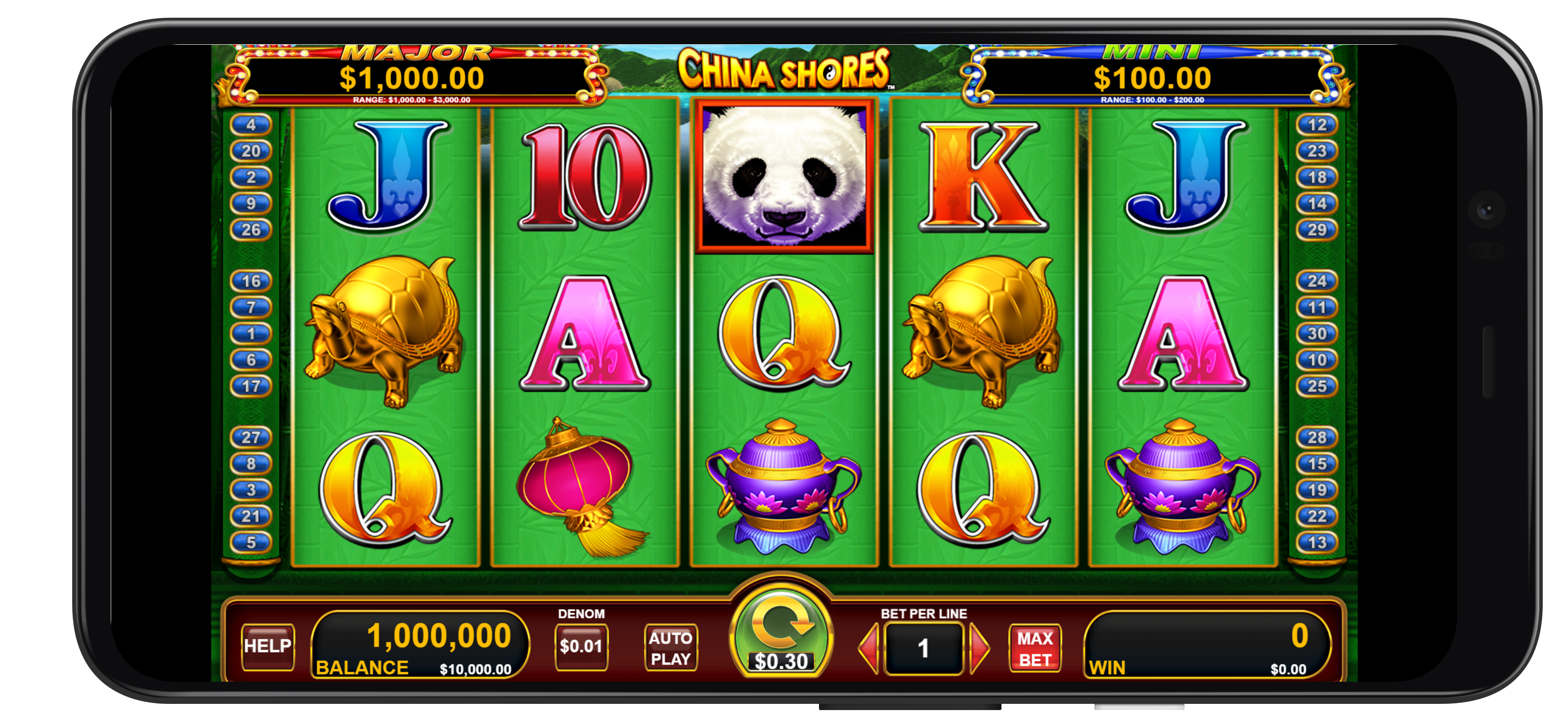
What Are casino business model and How Do They Work?
What is RTP and how does it affect my chances of winning?
RTP stands for Return to Player, a theoretical percentage indicating how much of all wagered money a game pays back over time. It does not guarantee individual session results but helps you compare games: higher RTP, such as 96% or above, generally means better long-term value.
How should I manage my bankroll when playing casino games?
Set a rigid budget for gambling that you can afford to lose, never chase losses, and fraction your bankroll into smaller session limits. A common rule is to wager no sir thomas more than 1-5% of your total bankroll per bet, depending on the game selection’s volatility.
What is the domiciliate edge and why does it matter?
The house border is the mathematical advantage the casino has over players, expressed as a percentage of each bet. It ensures the casino profits over time; e.g., a 2% house edge means the casino expects to preserve £2 for every £100 wagered. Understanding this helps you choose games with lower edges, like blackjack or baccarat.
heart bingo casino 2026 — heart bingo casino deposit
gorilla casino — key facts 2026 | gorilla casino
Can I use a strategy to guarantee wins in casino games?
No strategy can guarantee wins because casino games are based on random outcomes and the put up sharpness. Nonetheless, learning basic strategies for games like blackjack or video poker can reduce the put up sharpness and improve your odds, while proper bankroll management ensures you play responsibly.
lottery casino 2026 — lottery casino free play
casino license 2026 — gaming license verification
What is the difference between volatility and RTP?
Volatility (or variance) measures the risk and frequency of payouts in a game: reduced volatility offers small, frequent wins, while high volatility yields larger but less frequent payouts. RTP is the average homecoming over many plays. Both factors help you choose games that jibe your risk tolerance and playing style.
Avoiding Common Gambling Fallacies and Myths
Gambling is stringently for adults aged 18 and over. All UK-licensed casinos are regulated by the Gambling Commission (UKGC). If you experience your gambling is becoming a problem, you can self-exclude via GAMSTOP, the national online self-exclusion scheme. For confidential support, contact GamCare or BeGambleAware on the National Gambling Helpline at 0808 8020 133. Ever set deposit and time limits before you play, and remember that gambling should be for entertainment only—never chase losses.
